Travelling to India for the First Time? Everything I ran out of time to say on 2GB Radio.

Today I found myself talking about travelling India on 2GB Radio in Sydney.
A producer had come across my original first-time guide to India, and invited me onto the show to talk about what it's actually like to travel there — what I would recommend for first time travellers, what to do about money, whether the population felt too overwhelming, and what to eat, among other things!
And as anyone who's ever been interviewed will know, ten minutes disappears very quickly.
So, naturally, I hung up and immediately thought: oh, I had so much more to tell you!
And when I read back through my (slightly exhaustive) original blog, which I wrote in my hotel room in the midst of travelling, I thought I needed to set the record straight.
Consider this the extended edition, and an updated companion guide to my first article.
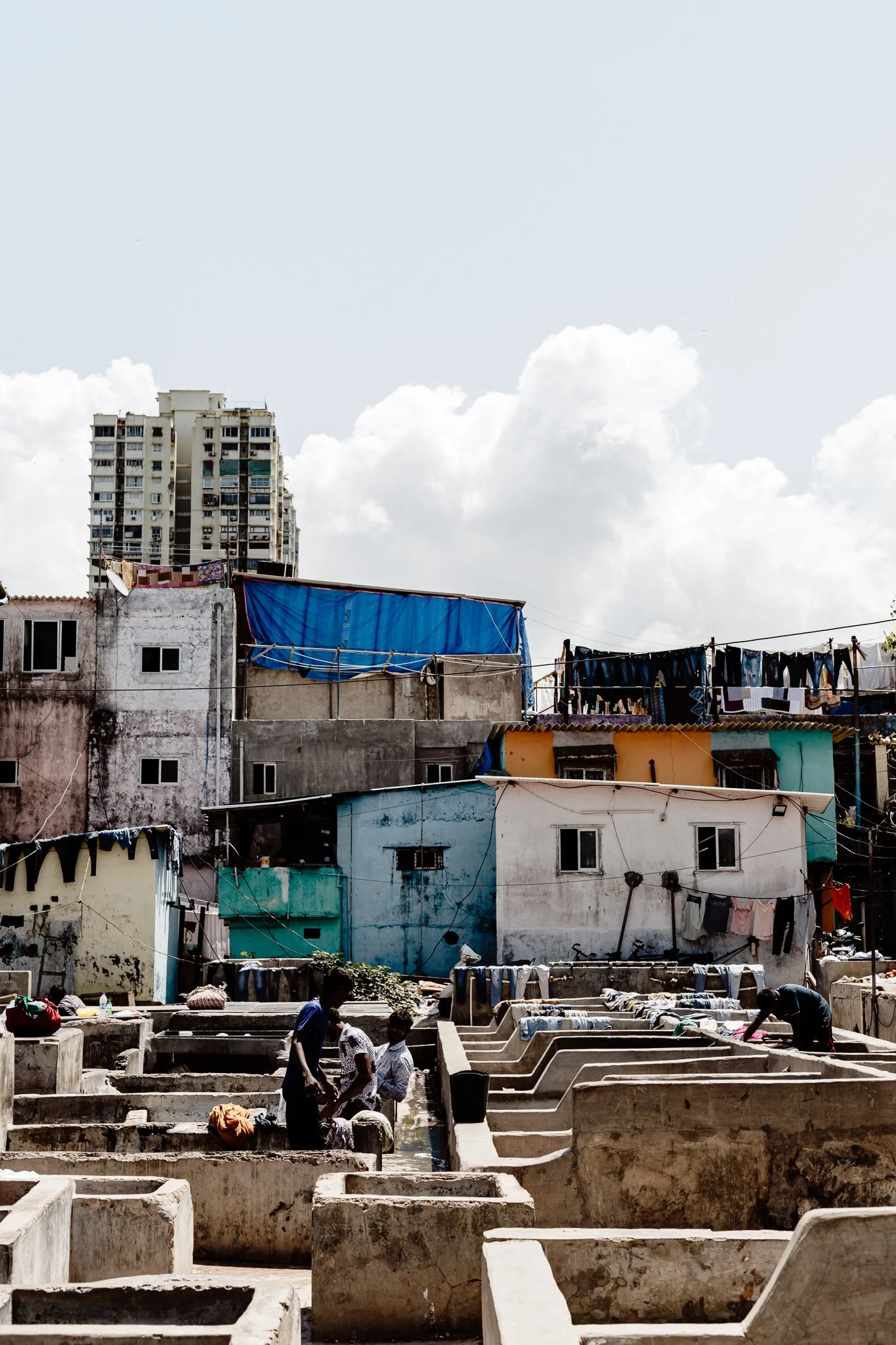
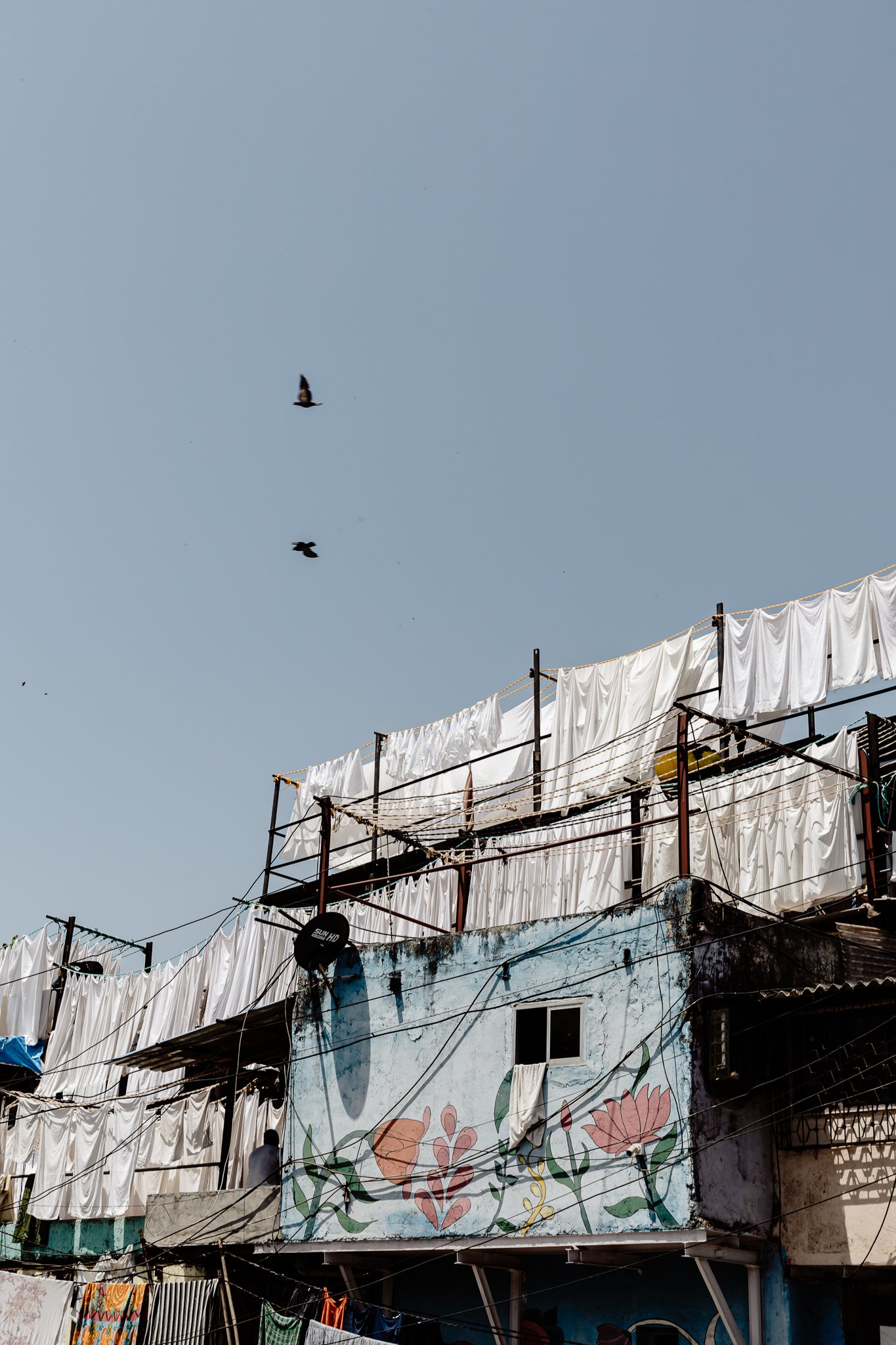
Mumbai Laundry – Georgina Morrison © 2026
Would I recommend India?
Absolutely I would. Of all the places I’ve travelled, it was one of my biggest expanders as a person and taught me so much. In my opinion, those are the best places to travel to – and if you feel a bit nervous about it, that’s exactly why you should go!
The people we met were salt of the earth, and so excited to share their world with us. Their kindness, generosity, and love for their home is what made it so special.
But all of that said — with the benefit of hindsight, here’s what I’d recommend if you’re wanting to travel to India for the first time, and you don’t have local friends or don’t know where to start.
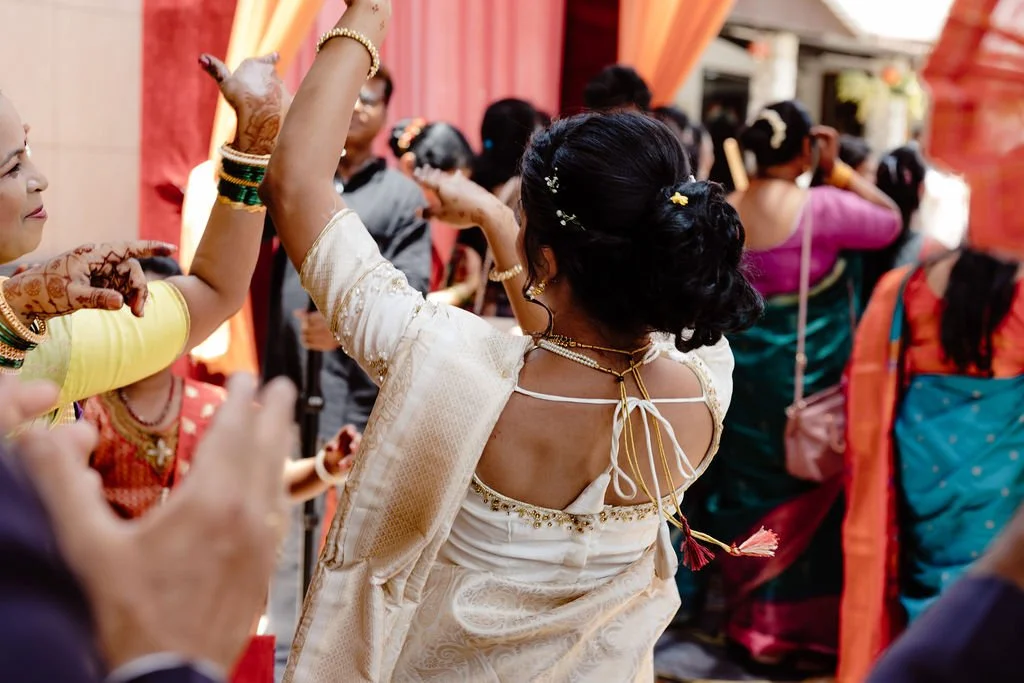
I was incredibly fortunate to attend a beautiful friend’s wedding. Meeting her friends and family, and being immersed in their culture and world, is one of my most special travel memories. Photo: Georgina Morrison © 2026
If it's your first time in India, I'd actually recommend a tour.
Here's probably the biggest thing I'd do differently on my first trip to India: I'd seriously consider going with a small-group tour.
I say this as someone who did not travel India on a tour for their first trip at all!
We were travelling for personal reasons (a fabulous wedding!) and as a more traditional self-guided tourists around that. Even though I consider myself quite the planner, I found the logistics a bit overwhelming.
I booked our entire trip independently (flights, hotels, transport and itinerary) and while I'm usually very comfortable doing that when I travel, India was one of those places where the logistics could sometimes take up an enormous amount of energy.
It's an incredible country, but particularly when you've just arrived, it can feel like an assault on every sense at once: the traffic, noise, heat, people, smells, colour, language and sheer scale of everything.
Some of the moments when I felt most relaxed and really settled into the trip, were actually when someone else knew what was going on and guided us.
We were incredibly fortunate to be travelling for my university friend's wedding, so whenever we were with her family and friends, we were completely taken under their wing. Likewise, one of my favourite sightseeing days of the entire trip was spent with a private local guide organised through our hotel. In those moments, instead of worrying about how we were getting somewhere or what we were supposed to be doing when we arrived, we could just experience India.
That's why, if a friend told me tomorrow that they were booking their first trip (particularly if they weren't a seasoned traveller, were travelling solo, or felt a little apprehensive about India) I'd tell them to have a look at a reputable small-group tour.
Since our first trip, I did a huge amount of research into how I would travel to India again. Especially as a photographer and writer, I want to make sure I’m ticking off the best landmarks to visit in India, while also immersing myself in the local story.
In fact, when I told my mum about my 2GB interview this morning, she immediately said: "I'd love to go to India — but I'd only feel comfortable going on a tour."
I suspect there are a lot of women who feel exactly the same way. India is somewhere they're fascinated by, but the prospect of navigating it alone is the thing stopping them from actually booking the ticket.
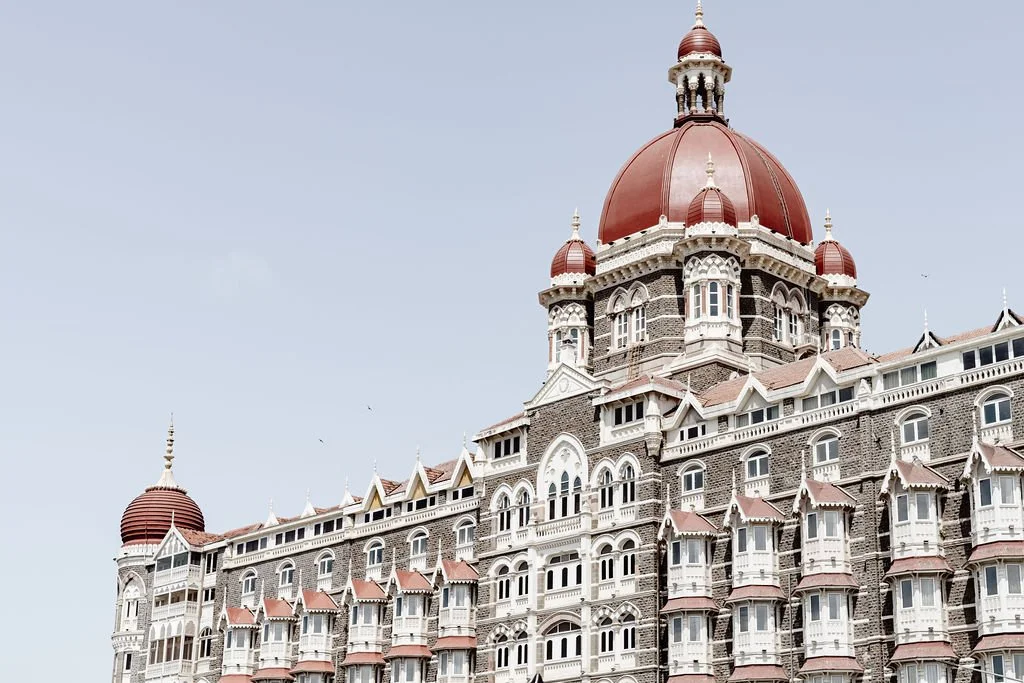
I highly recommend visiting India with a tour group. Intrepid are my top pick!
Who should I book a tour with?
Personally, I'd look at Intrepid Travel. This isn't sponsored! They're a company I am genuinely considering travelling with myself, and their style of small-group, locally-led travel makes a lot of sense to me for India.
Having been there, I know I want to balance landmarks and experiences with a local immersion, and their tours offer exactly that.
The trip I'd choose: Classic Rajasthan — 15 days
If I were planning that first trip now (and as I look ahead to 2027!), Intrepid's 15-day Classic Rajasthan itinerary is very high on my list.
Fifteen days is almost exactly the amount of time I'd personally recommend for your first visit, and the itinerary covers many of the places we had originally hoped to see before our plans changed: Delhi, Agra and the Taj Mahal, Jaipur, Jodhpur, Udaipur and Jaisalmer, along with time in the Thar Desert.
What I love most about this trip, is that it isn’t just a checklist of monuments.
There are heritage stays, local meals and smaller cultural experiences woven through the itinerary, and you're travelling with someone who actually understands the place you're experiencing.
One of the biggest things India taught me is that there's a difference between seeing somewhere, and understanding what you're seeing.
I could stand in front of an incredible building and take a photograph, but when I actually have a true sense of the story, it changes the way I see and remember it.
That's where cultural immersion comes into play, and for me, that's where the real magic of travelling India on a tour is.
If you're a woman who is a bit nervous about travelling (or your partner/husband doesn’t want to come), then the India Women's Expedition (13 days) might be for you.
India can feel overwhelming travelling as a woman. And although my husband also found it an incredibly expansive and fascinating place to experience, let's just say he wasn't quite as keen to jump straight back on a plane as I was!
There were so many more places I wanted to see.
Since then, my mum and sisters have talked about coming back to India with me — and I think I've found our perfect solution.
Intrepid also offer 13-day India Women's Expedition.
It's an all-women small-group trip led by a local female leader, which I absolutely love.
The itinerary also creates opportunities to meet and learn from Indian women—including female entrepreneurs, artisans and community members—and to experience spaces and conversations that aren't necessarily as accessible to mixed-gender tour groups.
Ticking every box for me so far, especially as a creative who would likely be travelling with my (creative) mum.
Intergenerational travel isn't talked about nearly enough. My mum and I have travelled together before, and finding an experience that can genuinely excite a Millennial and a Gen Xer (while making both of us feel comfortable, supported and culturally immersed!) is invaluable.
And there's also something incredibly special about the idea of women from different generations travelling together, spending those two weeks meeting and learning from women of different generations in India, too.
Those are the kind of trips you remember for the rest of your life, and the stories you share over dinner tables.
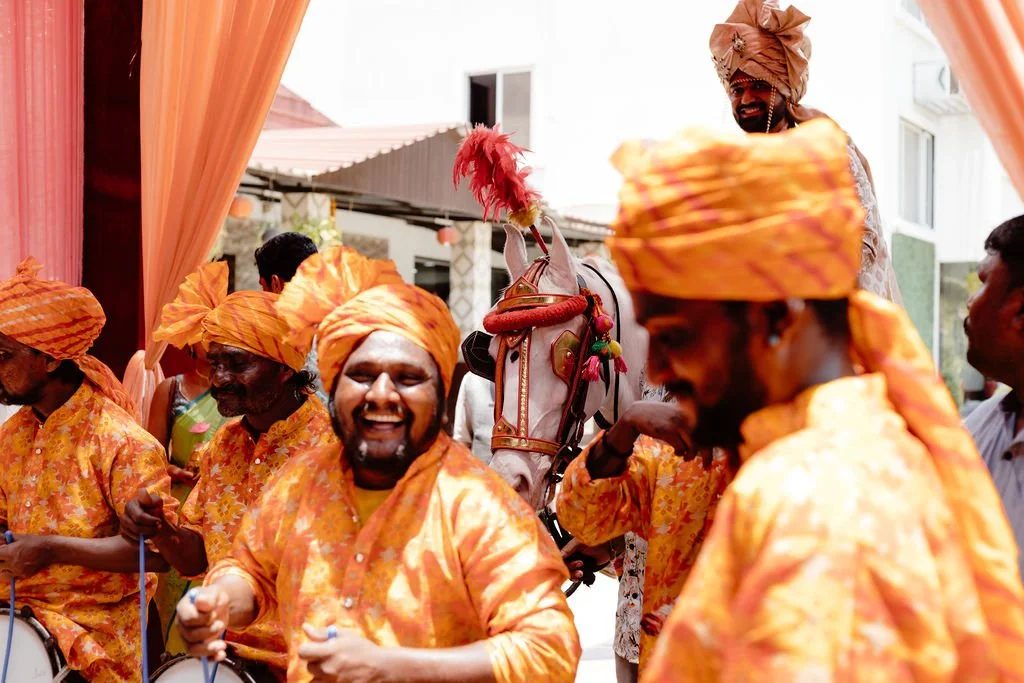
Photo: Georgina Morrison © 2026
Yes, it’s a big population!
One of the things I was asked about during my 2GB interview was the sheer number of people, and what an adjustment that is as a traveller. (Especially when a country like a Australia is so tiny by comparison!)
It’s tricky to explain until you're standing in the middle of it. As someone who comes from a regional town with 10,000 people, it blew me away.
Greater Mumbai is home to tens of millions of people, with a population on the scale of Australia concentrated into one city.
You do feel it everywhere in the proximity between people, bustle of movement and constant (loud!) decibels.
One of the most curious things I observed there, was what happened at 5pm.
In Australia, that's often when things start winding down. Shops begin closing, people head home from work, our towns and cities shift into a different kind of evening mode.
Mumbai did the opposite.
Where we were staying in South Mumbai, when 5pm ticked over, a flood of people emerged from offices and workplaces—and it was like a second day began. People gathered in the streets socialising, running errands, and moving from A to B.
We made a dinner booking for 6PM at Mitron at George in Fort, and there were colleagues out for TGIF drinks! They all ate dinner much later than us, and we were always the first booking wherever we went.
The city was alive well into the night, and there was a lull in the wee hours of the morning before everything began moving again at 6AM.
Cash or card?
This was another question I was asked on 2GB, and my answer is: both.
We travelled with our regular bank cards, a travel card and cash, and I'd still want access to all three.
My first lesson in Indian exchange happened in the Mumbai Airport, when we exchanged money, and I had a gut feeling I was getting a terrible deal on the conversion and commission – which proved to be the case!
After that, we became much savvier.
Our hotel was able to exchange some currency for us, and we increasingly used cards wherever we could. I also travelled with a Revolut card, which allowed me to exchange currencies and easily add money through Apple Pay. I've continued using this card on every international trip, and also Holafly eSIMs.
That said, I'd never travel India without cash.
Cards are increasingly useful, particularly in hotels, established restaurants and larger businesses, but cash is still enormously handy for smaller purchases, markets, tips and places where card payment isn't practical.
My rule now is less cash OR card and more:
Card for convenience, cash for backup, and never keep all your money in one place.
Because exchange rates, banking fees and payment infrastructure change, check your own bank and current travel advice before you leave, rather than relying on the exact costs from someone else's trip (or my first blog from back in 2024!).
Yes, let's talk about Delhi belly.
I know we can't write a first-timer's guide to India without talking about the upset tummy — especially because this is one of the things that puts people off travelling.
We were given the rather ominous advice before leaving that an upset stomach in India wasn't necessarily a question of if, but when, and the sooner the better.
For us, the first 24 hours.
And before you blame the street food, we hadn't eaten any!
It was actually room service at a lovely hotel, which was a fairly swift lesson that you can take every precaution imaginable, and sometimes your digestive system has a hard time adjusting nonetheless.
Thankfully, ours passed quickly and didn't derail our trip at all.
For the rest of our time in India, we were careful without allowing food anxiety to stop us from experiencing one of the best parts of the country.
We drank bottled water and checked the seal before drinking it, and we also used bottled water to brush our teeth. We requested drinks without ice, were cautious about raw salads and foods that might have been washed in untreated water, and personally chose not to eat street food on that particular trip because we had a busy social schedule.
We also travelled with electrolytes and other basic supplies, and I'd strongly recommend talking to your GP or travel doctor before you leave about what you should take with you (and also what vaccinations you need).
We had beautiful meals in restaurants, tried foods we'd never encountered before, and best of all, ate food prepared for us by our friends and their families.
Food wasn't something to fear in India, it was one of the great joys of being there and it’s something we have loved long after we left – so much so, we cook an Indian meal pretty much weekly!
The traffic looks insane, but it sort of ….. isn’t.
There is nothing I can write that will adequately prepare a first-time Australian traveller for Mumbai traffic, or anywhere in India. It is bonkers. Cars, motorbikes, scooters, buses, tuk-tuks, pedestrians, horns, a rogue cow, and something squeezing through a gap you're reasonably certain isn't actually a gap.
On the first couple of days, it felt chaotic, but eventually you stop noticing.
A local friend explained to us that horns are used very differently in India. What initially sounded like constant aggression to our Australian ears (because that’s how we use horns) was often just communication:
I'm coming up beside you.
I'm behind you.
Make room.
Excuse me!
By our final few days, I'd become so accustomed to it, that I remember hearing the distinctive honk of one of the older buses (which sounded like enormous goose!) and looked out my window to discover a bus travelling mere centimetres from our car.
Day one Georgie would have been gripping the seat and white as a sheet.
Two-weeks-in Georgie basically thought, ‘Oh. Bus.’
If you're travelling with luggage, book the bigger Uber.
We were encouraged by our local friends to exclusively use Uber, not taxis or public transport to get around.
There are essentially three different tiers of Uber: UberGO (the little black and yellow cars), UberPREMIER (white taxis with a yellow strip) and UberXL (essentially like a soccer-mum car).
When we made our way into South Mumbai with all our luggage, I booked an UberPREMIER.
Oh dear.
My suitcase went on the roof.
Secured, as far as I could tell, by one heroic scrap of pantyhose.
We then drove for around an hour and a half through Mumbai traffic while I periodically wondered whether my entire wardrobe and wedding regalia was about to be distributed across the highway.
Haavard, ever helpful and optimistic, told me, "At least it'll be a story."
He was right.
Now that I’m removed from that moment, I laugh at the memory of my thumping red suitcase, with its Hope & Co. ribbons and glitter tag flapping in the heat, at the mercy of gravity and scrap of pantyhose, atop a little white car, zig-zagging through one of the busiest cities in the world.
But I certainly learned to book the bigger car from then on.
Spend more where it matters
This is perhaps one of my biggest pieces of practical advice for India.
If you’re not going on a tour and want to DIY, don't go there obsessed with making it the cheapest holiday possible. If you’re ready to be a swash-buckling backpacker in hostels, you go for it.
If you’ve always wanted to go to India and are not afraid to spend where it counts, invest in the trip you want to remember.
We learned very quickly that sometimes spending a little more bought us something considerably more valuable than luxury: a little more ease and peace of mind.
The air-conditioned car, instead of the cheapest taxi.
The experienced local guide, instead of Google Maps.
The reliable hotel.
The pre-booked airport transfer (we used airporttaxitransfers.com and they were fantastic) when we absolutely had to arrive somewhere on time.
None of those things made our trip less adventurous or less authentic, like some sanctimonious Reddit threads would have you believe. In fact, they often gave us more energy to actually experience where we were.
Our favourite tourist day of the trip was spent with a local guide and driver organised through our hotel. Instead of spending the day staring at Google Maps, negotiating transport and wondering whether we were in the right place (like the day we tried to DIY it and got dropped off in the slums!), we could arrive at the right location, ask questions and learn.
Spend where it buys you time, comfort, safety or access.
You don't need luxury everywhere, but in India, a few extra few dollars can completely change your experience of a day.
What did I love most about travelling to India?
The most precious part of our trip wasn't something I could have booked on a sightseeing website. It was being welcomed into people's lives.
We attended wedding celebrations, met relatives and friends, ate incredible homemade food, and experienced a version of India that we never would have encountered just ticking off landmarks.
Obviously, a tour can't recreate having one of your closest friends invite you to her Indian wedding! But I now understand the enormous value of travelling with people who understand how to give you a full, immersive experience.
So if the thing stopping you from travelling to India is the thought, ‘I'd love to go, but I don't think I'd feel comfortable doing it on my own’, don't let that be the reason you don't go.
Don’t even let food anxiety stop you from going. (Because I can guarantee you’ve probably had an upset tummy at home before too, probably from your local swimming pool!)
Choose to travel to India, because you want something different.
Because you want the stories.
Because you want an experience to expand you.
India challenged me, it surprised me, and occasionally completely overwhelmed me.
And after just over two weeks, I came home feeling like I'd been away for a month.
But that’s exactly why I’d go back in a heartbeat.
Rajasthan, I'm coming for you next.